Colored Concrete Walls vs. Traditional Concrete Finishes
People seeking concrete wall finishing often want durable, attractive surfaces; local contractors can help choose and apply colored concrete walls or traditional finishes to meet their needs.
Visitors exploring the differences between colored concrete walls and traditional concrete finishes are in the right place. Property owners in the area often consider these options to enhance curb appeal, add personality to outdoor spaces, or achieve a specific aesthetic for residential or commercial properties. Understanding the practical benefits and visual possibilities of each finish can help make informed decisions, especially when planning for durable, attractive surfaces that stand out or blend seamlessly with existing designs. Local contractors specializing in concrete wall finishing can provide insights tailored to local conditions and style preferences, ensuring the chosen approach complements the property's overall look and functionality.
As the conversation around concrete finishes continues, it’s helpful to explore how colored concrete walls compare to traditional finishes in terms of appearance, maintenance, and customization. Many property owners find that colored concrete offers a vibrant, uniform look that can be tailored to match or accentuate other design elements, while traditional finishes often emphasize the natural texture and tones of concrete. Local service providers who specialize in concrete wall finishing can assist in selecting the right technique to meet aesthetic goals and practical needs, making it easier to achieve a finished look that enhances the property's value and appeal.
- Concrete wall finishing services are often needed when homeowners want to enhance the appearance of exterior or interior walls with a polished or textured look. Local contractors can apply colored concrete finishes to create vibrant, customized walls that stand out, compared to traditional plain concrete surfaces. When a property owner seeks durable, decorative walls with a unique hue, service providers can offer colored concrete wall solutions tailored to specific design preferences. For those preferring a classic, understated appearance, traditional concrete finishes are available through local pros who focus on smooth or exposed aggregate textures. Both options can be achieved by local service providers who specialize in concrete wall finishing, helping clients choose the style that best complements their space.
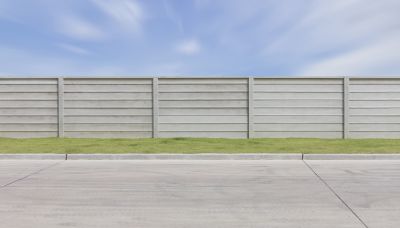
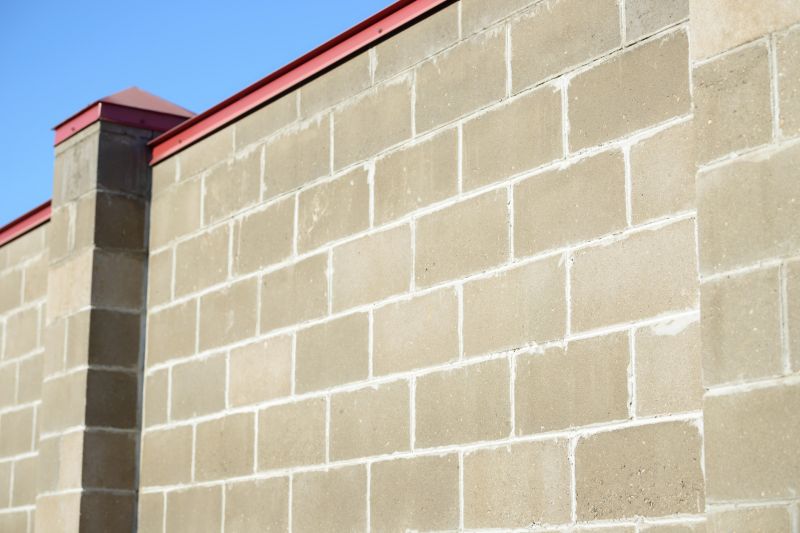
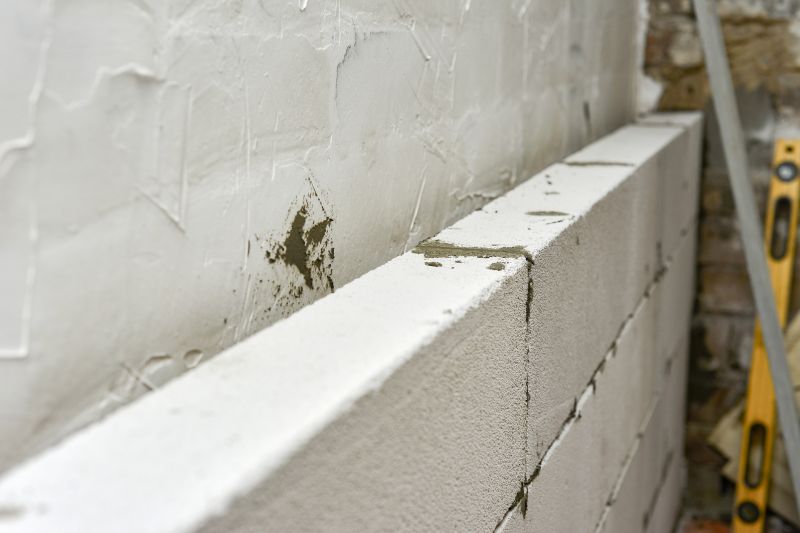
When homeowners search for information on colored concrete walls versus traditional concrete finishes, they are often exploring options for enhancing the appearance and durability of their property’s exterior or interior surfaces. This comparison typically arises when planning projects such as retaining walls, boundary fences, patio enclosures, or decorative features that need both strength and visual appeal. Many people want to understand how the two finishes differ in terms of aesthetics, maintenance, and long-term performance to determine which option best suits their style and functional needs. This search is also driven by a desire to find ways to add unique character to outdoor spaces or to create a cohesive look across different areas of a property.
The decision between colored concrete walls and traditional finishes often relates to specific project goals or property challenges. For example, some property owners seek a vibrant, eye-catching look that colored concrete can provide, making features stand out and adding personality to outdoor environments. Others may prioritize a more classic, subdued appearance that traditional finishes offer, which can blend seamlessly with natural surroundings or existing structures. Problems such as cracking, staining, or fading are common concerns that influence choices, as property owners want finishes that not only look good but also stand up to weather and wear over time. Planning a new construction or renovation project often involves weighing the aesthetic benefits against the practical considerations of maintenance and longevity.
Properties that typically come into focus when comparing these finishes include residential yards, commercial landscapes, and public spaces. Residential properties frequently feature decorative walls or patios where color can add curb appeal or complement landscaping. Commercial properties may use colored concrete for branding or to create a distinctive visual identity, while public spaces like parks or community centers might utilize durable finishes to withstand heavy foot traffic. The size and scope of the project-whether a small garden feature or a large retaining wall-can influence the choice of finish, as well as the desired visual impact. Local contractors specializing in concrete wall finishing can help property owners select the right option based on the specific property type, aesthetic goals, and functional requirements.
Connecting with experienced service providers is essential for achieving the desired results in colored concrete or traditional finishes. These local pros understand the nuances of each approach, including the application techniques, color options, and surface textures that can be tailored to different property types. They can advise on how to best incorporate colored concrete walls into existing designs or how traditional finishes can provide a timeless look without sacrificing durability. Whether the goal is to create a vibrant boundary wall, a sleek patio surface, or a subtle retaining wall, local contractors are equipped to handle the work with attention to detail. For homeowners considering these options, consulting with knowledgeable pros ensures that the chosen finish aligns with their project goals and property conditions.
Stamped concrete projects - These projects involve creating decorative patterns and textures on concrete surfaces, requiring similar planning and finishing skills as colored concrete walls versus traditional finishes.
Exterior concrete patios - Designing and finishing outdoor concrete surfaces with various textures and colors shares techniques used in enhancing concrete wall aesthetics and durability.
Concrete flooring installations - Applying decorative finishes or color overlays on floors involves tools and skills comparable to those used in colored concrete wall applications.
Concrete retaining walls - Building and finishing structural concrete walls with specific textures or colors aligns with the expertise needed for decorative concrete wall projects.
Concrete countertop fabrication - Crafting custom concrete surfaces with color and texture options relates to the skills used in customizing concrete wall finishes.
Interior decorative concrete - Techniques like staining and polishing interior concrete surfaces are similar to decorative wall finishes and require precise planning and application.
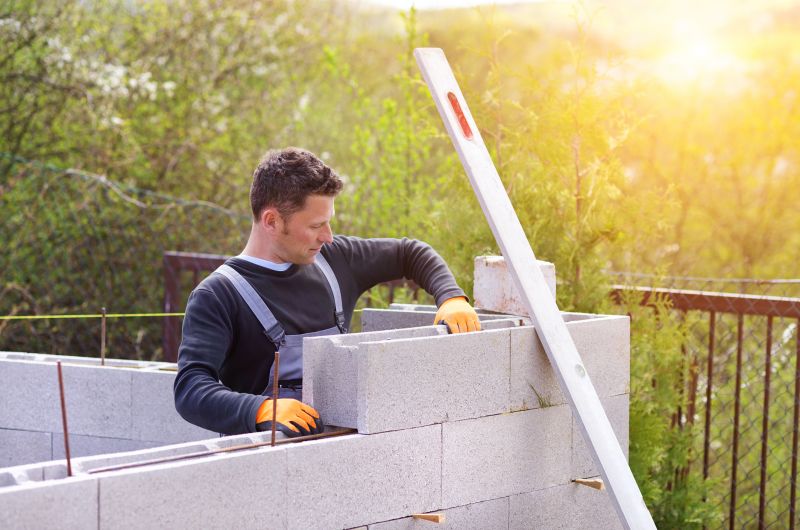
When evaluating service providers for concrete wall finishing, it is important to consider their experience with similar projects, especially those involving colored concrete walls versus traditional concrete finishes. Homeowners should inquire about the types of finishes the contractors have worked on and request examples or references that demonstrate their expertise with both decorative coloring techniques and standard finishes. An experienced contractor will understand the nuances of each approach and be able to advise on the best options based on the specific design goals and structural requirements of the project.
Clear and detailed written expectations are essential when comparing local contractors for concrete wall finishing services. Homeowners should seek comprehensive project proposals that outline the scope of work, materials to be used, and the expected outcomes for both colored concrete walls and traditional finishes. Having these details in writing helps ensure that all parties are aligned on the project’s goals and reduces the potential for misunderstandings. Well-articulated expectations also serve as a reference point throughout the project, making it easier to address any questions or concerns that may arise.
Reputable references and strong communication skills are key factors when choosing a service provider for concrete wall finishing. Homeowners should ask for references from previous clients who had similar work completed, particularly projects involving colored concrete or decorative finishes. Additionally, a contractor’s ability to communicate clearly and promptly can greatly influence the overall experience, ensuring that questions are answered, options are explained, and any issues are addressed in a timely manner. Selecting a local contractor known for transparency and responsiveness can help create a smooth, successful process from initial consultation through project completion.
Property owners often search for colored concrete walls vs. traditional concrete finishes when they are planning practical projects around their homes and businesses. Local pros provide Concrete Wall Finishing services for everyday jobs and straightforward project options.
When considering concrete wall finishes for a property, many property owners in the area explore the differences between colored concrete walls and traditional concrete finishes. Colored concrete walls can offer a vibrant, customized look that adds personality and curb appeal to outdoor spaces, making them a popular choice for those wanting to enhance visual interest without extensive remodeling. On the other hand, traditional concrete finishes tend to be more straightforward, often favored for their simplicity, durability, and classic appearance. Property owners might look into these options to determine which style aligns best with their aesthetic goals and maintenance preferences, and local contractors can provide guidance on the best approach for each project.
Choosing between colored concrete walls and traditional finishes often depends on practical factors such as the desired look, budget, and the specific application. Local service providers can help property owners evaluate the benefits of each option, whether it’s the bold statement of colored concrete or the timeless appeal of a standard finish. For those interested in upgrading or constructing new walls, connecting with experienced contractors can ensure the chosen style is executed properly, matching the property’s overall design and functional needs.
What are the main differences between colored concrete walls and traditional concrete finishes? Colored concrete walls incorporate color additives into the concrete mix or surface treatments, offering a vibrant and customizable appearance. Traditional concrete finishes typically involve plain or textured surfaces without added color, resulting in a more neutral look. Local contractors can help determine which option suits specific aesthetic and functional needs.
Are colored concrete walls more durable than traditional concrete finishes? Both options can be durable, but colored concrete walls often have additional protective coatings or surface treatments to maintain their appearance over time. Local service providers can advise on the best finishing techniques to ensure longevity based on the environment and usage.
Can colored concrete walls be customized to match specific design preferences? Yes, colored concrete walls offer a wide range of color options and finishes, allowing for greater customization. Local pros can assist with selecting colors and finishes that align with design goals and provide professional application for a consistent look.
Are there any maintenance differences between colored concrete walls and traditional finishes? Colored concrete walls may require specific cleaning methods or sealants to preserve their color and appearance. Traditional finishes might need less frequent upkeep, but maintenance varies based on surface treatments. Local contractors can recommend proper care routines for each finish type.
What factors should be considered when choosing between colored concrete walls and traditional finishes? Key considerations include desired aesthetic, durability, maintenance requirements, and budget. Consulting with local pros can help evaluate these factors and select the most suitable concrete finishing option for a specific project.
Color options for concrete walls - Property owners can explore vibrant or subtle hues to match their outdoor aesthetics by working with local contractors experienced in colored concrete finishes.
Design flexibility with traditional finishes - Using standard concrete finishes allows for simple, cost-effective projects like patios or driveways that emphasize durability and classic appeal.
Combining finishes for unique looks - Local service providers can help blend colored concrete walls with traditional finishes to create customized designs that enhance property style.
Maintenance considerations - Property owners should consider how different finishes impact cleaning and long-term upkeep, with local pros providing guidance on suitable options.
If you are thinking about colored concrete walls vs. traditional concrete finishes for a property, this guide is meant to help you understand this topic, the typical project types, and how different options might fit your plans.
When you are ready, you can use the quote form on this page to share a few details about your project. From there, local pros can review the basics and follow up with options that match what you have in mind.